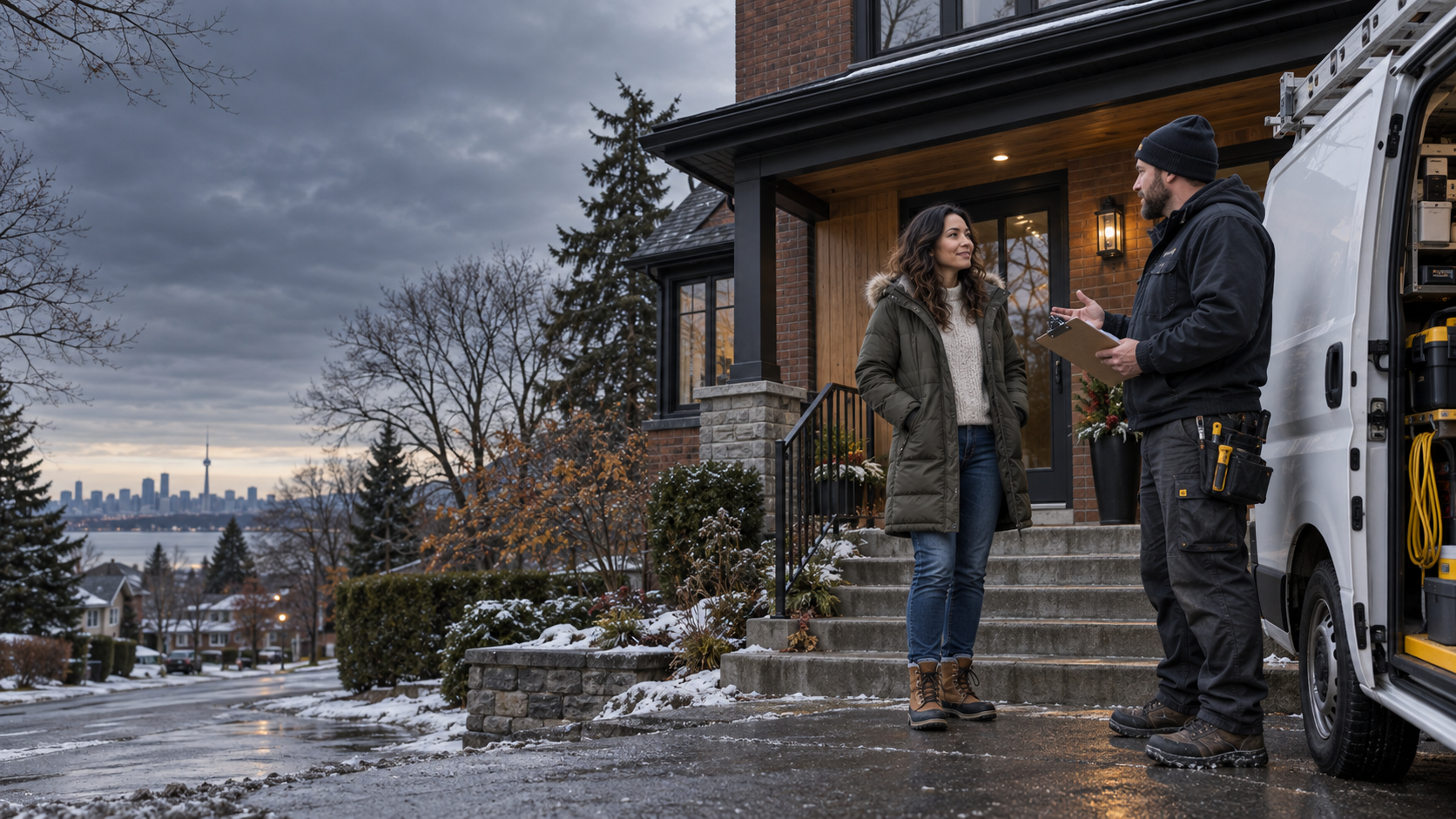
Your house has a signal. Follow it to the right trade.
Start with the condition, build one comparable scope, then check provider claims where the property actually stands. Neighbourline helps Canadian homeowners move from “something is wrong” to a documented next step—without turning an advertisement into an endorsement.
This planning control does not diagnose a defect or rank providers. It directs you to a relevant preparation route.
START
Choose a house signal to reveal the preparation route.
FIELD NOTE / SCOPE BEFORE SEARCH
A directory result is only the beginning of the decision.
01
Record the condition
Photograph context and detail, note when the problem started, and identify shut-offs or unsafe areas without touching equipment you are not qualified to handle. A precise condition brief gives every provider the same starting point.
02
Match the trade
A water stain may involve roofing, plumbing, envelope or drainage. Our service routes show the questions that separate those paths; they do not diagnose the house from a screen.
03
Normalize the quote
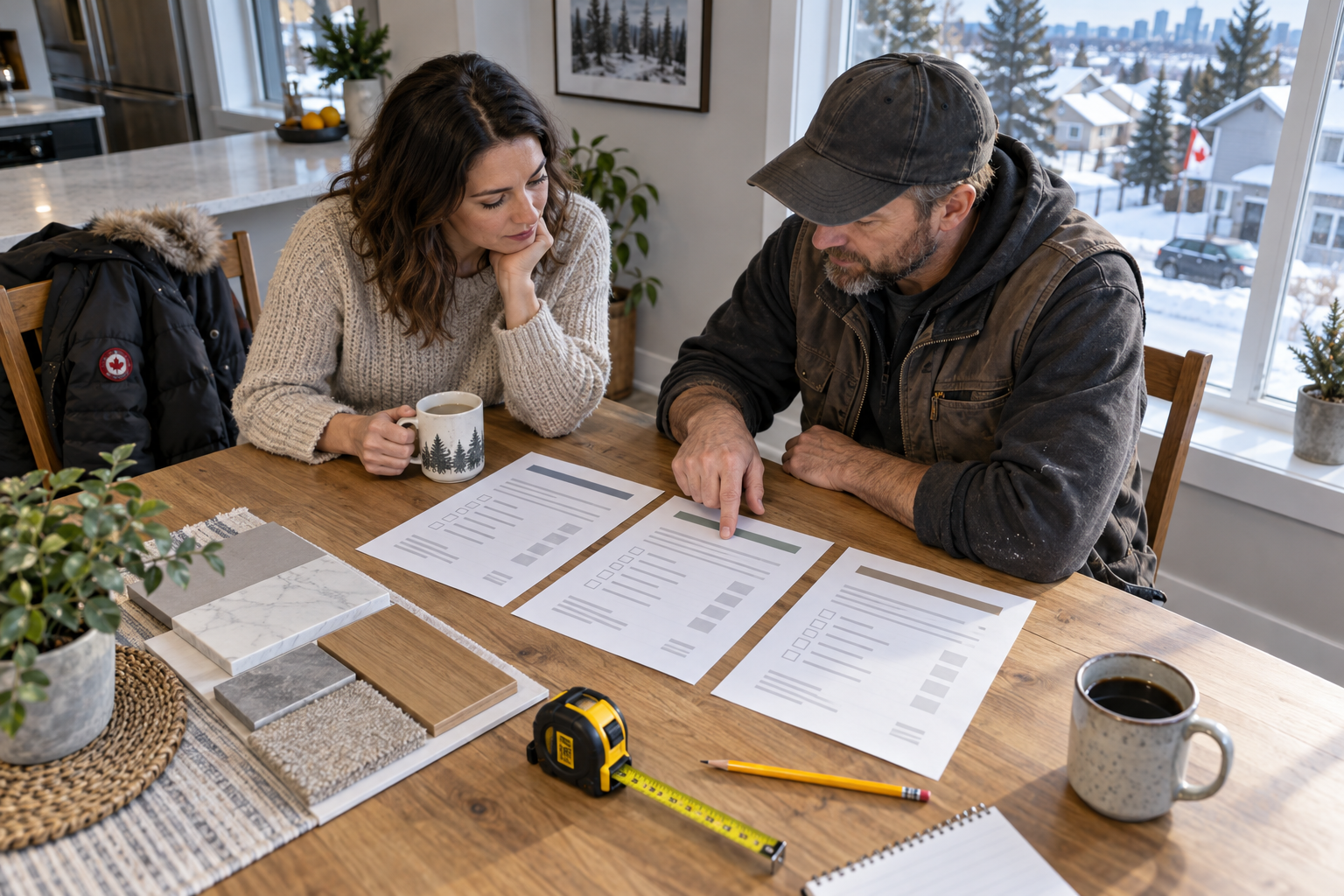
Compare investigation, method, material, protection, permits, exclusions, schedule, cleanup and warranty on aligned rows. A total without a defined scope is not yet comparable.
04
Verify locally
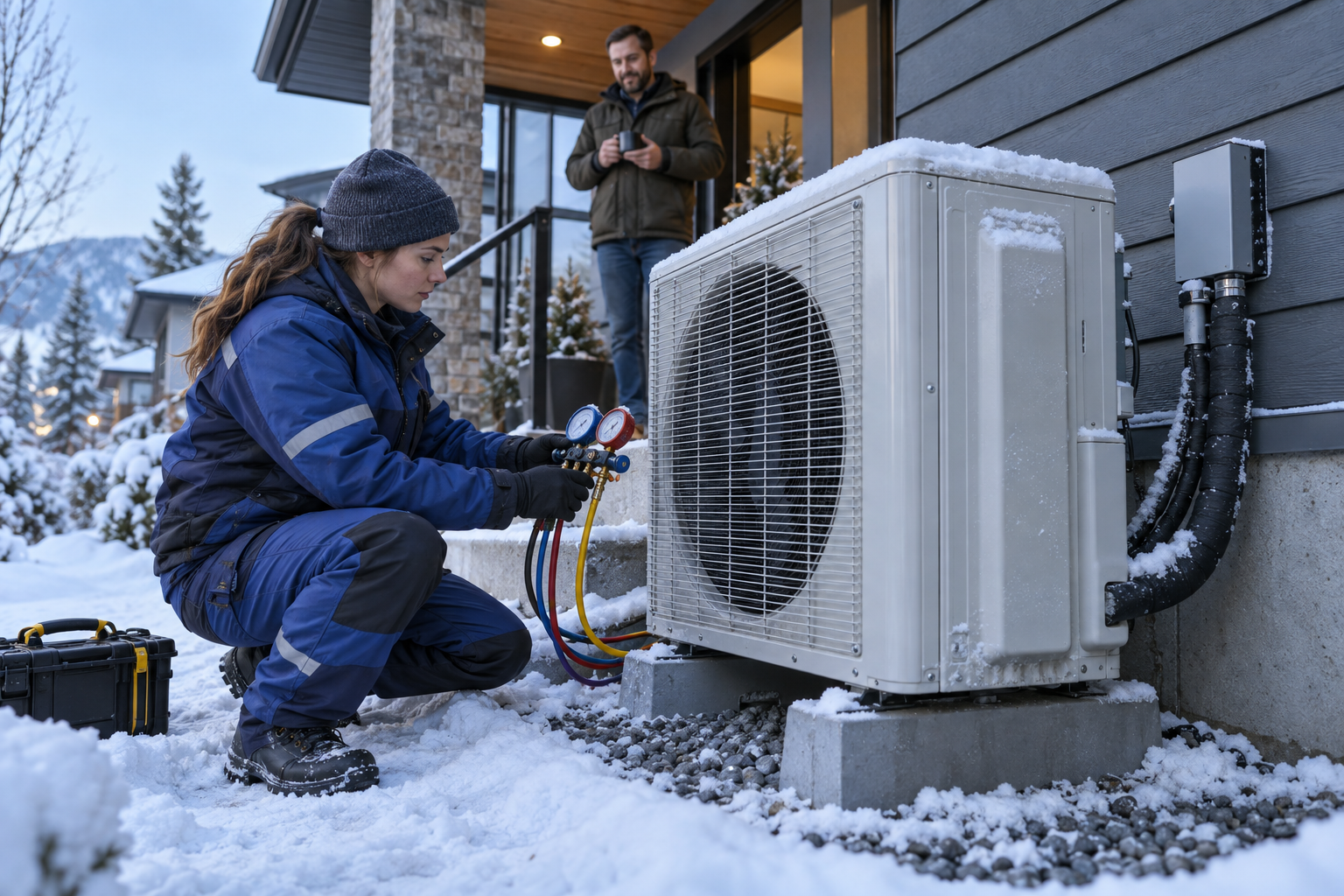
Credential and permit rules change by province, municipality, trade and project. Use the legal business name and the current issuing authority, not a logo copied into a profile.
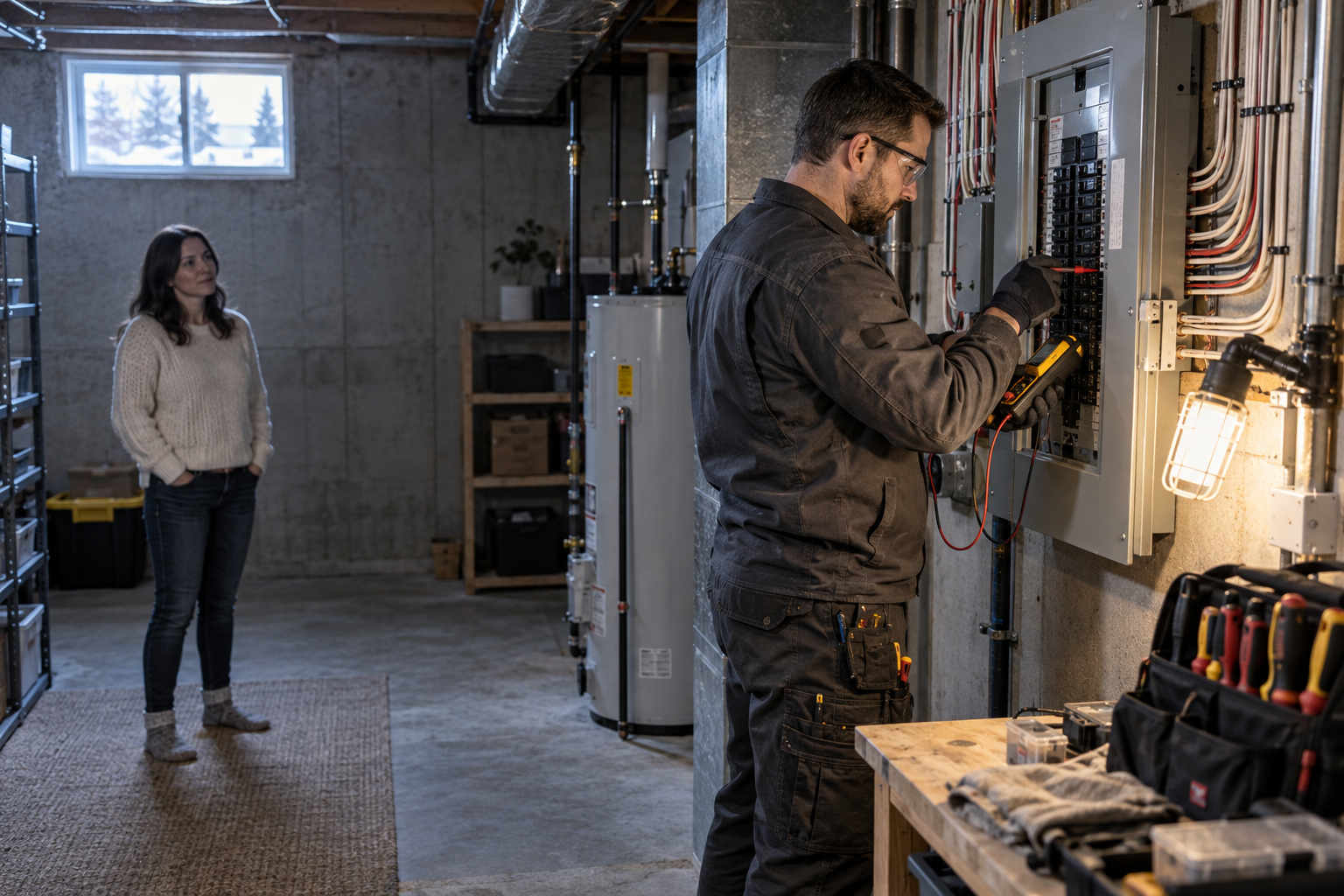
PLUMBING / INSPECTION FIRSTAsk what was tested before accepting a repair method.
Climate changes the questions, and jurisdiction changes the authority. Start with the property location, then verify permits, trade credentials and consumer guidance using current local sources. The launch map highlights ten provincial nodes and never implies that one national badge settles every trade question.
Neighbourline’s quote lab pulls scope, allowances, exclusions and responsibilities into one visual matrix. It asks whether each provider inspected the same area, proposed the same performance target, included permit and restoration work, and attached payment to visible milestones.
Every claim should expose its evidence level. A provider may declare a service area; an editor may confirm the legal identity; a licence may be checked with an authority on a particular date. Those are different facts. Neighbourline does not sell a stronger editorial label, and a checked record still requires the homeowner to verify that information remains current for the exact job.
A good service visit leaves the property easier to understand.
The final deliverable is more than repaired material. It is a readable record of the condition, approved method, responsible business, permits, inspections, products, warranty and unresolved observations. That record makes later maintenance, insurance conversations and resale questions less dependent on memory.
BEFORE / BASELINE
Capture what existed before access or demolition.
Take broad and close photographs, note dates, weather and operating symptoms, and save the original estimate. Record nearby finishes and possessions that need protection. For hidden or intermittent conditions, write what happened and how often without claiming a technical cause. This baseline gives the provider a clearer brief and gives both sides a neutral reference if the visible condition changes during work.
Ask for evidence of an unexpected condition before expanding the job. A proper change record should explain what was found, why the accepted method no longer fits, what alternative is proposed, and how cost, timing, permits or restoration will change. Store accepted and declined options together. The aim is not to prevent legitimate changes; it is to keep a pressured conversation from replacing a traceable project decision.
Close permits, test the result and label what remains.
Walk through the written scope line by line. Collect required inspection results, operating instructions, product details, dated invoices and warranty contacts. Photograph concealed stages when the provider can do so safely, then photograph the completed work. If a deficiency remains, describe it precisely and assign a date and contact for correction. Future technicians should be able to distinguish completed work from a recommendation that was never authorized.
inspection · test · warranty · next review
WHAT NEIGHBOURLINE DOES / DOES NOT DO
A stronger brief—not a guarantee.
We organize high-intent service routes, local-check questions, quote comparisons and evidence labels. We do not dispatch a contractor, certify technical quality, issue a licence, inspect a property, set a national price or decide a legal dispute. Information can age; authorities and providers can change their terms. Use our pages to prepare, then confirm live facts with the provider and the responsible authority.